When people search for scuba diving in Murudeshwar, they are usually looking for Netrani Island. For most beginners, the typical Murudeshwar scuba diving price is ₹3,500 to ₹4,500 per person, depending on inclusions. Netrani (also called Pigeon Island) is offshore, and your scuba day is built around a morning boat departure, training, and a guided dive session.
If you are comparing results for scuba diving Murudeshwar, Murudeshwar scuba diving, or Netrani Island scuba diving, focus on three things first: operator quality, inclusions, and season/sea conditions. A good scuba experience is not only about the lowest price. It is about a calm plan, clear communication, and responsible decision-making on the day.
What exactly is Discover Scuba Diving (DSD)?
DSD is the most common tourist scuba program. Think of it as a supervised “first dive” experience. You do not need a previous certification. However, PADI says a participant should be reasonably comfortable in the water, complete a medical questionnaire and learn the required skills. The instructor briefs and supervises you; eligibility should be assessed rather than promised from a chat message alone.
A Murudeshwar DSD quote may include the offshore boat trip, but this must be confirmed. The programme should start with briefing and skills in suitable conditions. Feeling comfortable can take different amounts of time; tell the instructor immediately if breathing, the mask, ears or water entry feels wrong.
Why Netrani Island is the main dive spot
Murudeshwar is the base town, but the diving happens at Netrani Island. People choose Netrani because it is known for clearer water (in the right season), coral reefs, and a better chance of seeing marine life compared to many near-shore locations. Your actual view under water always depends on the day's visibility, and we did not find authoritative comparative data proving a “best” or “most popular” rank against every west-coast dive site.
If you want a travel-planning view (boat timings, season notes, and how the island trip works), read Netrani Island timings and boat guide. If your focus is only the diving itself, the detailed dive-site guide is Netrani dive-site visibility guide.
What you will do on the day (simple walkthrough)
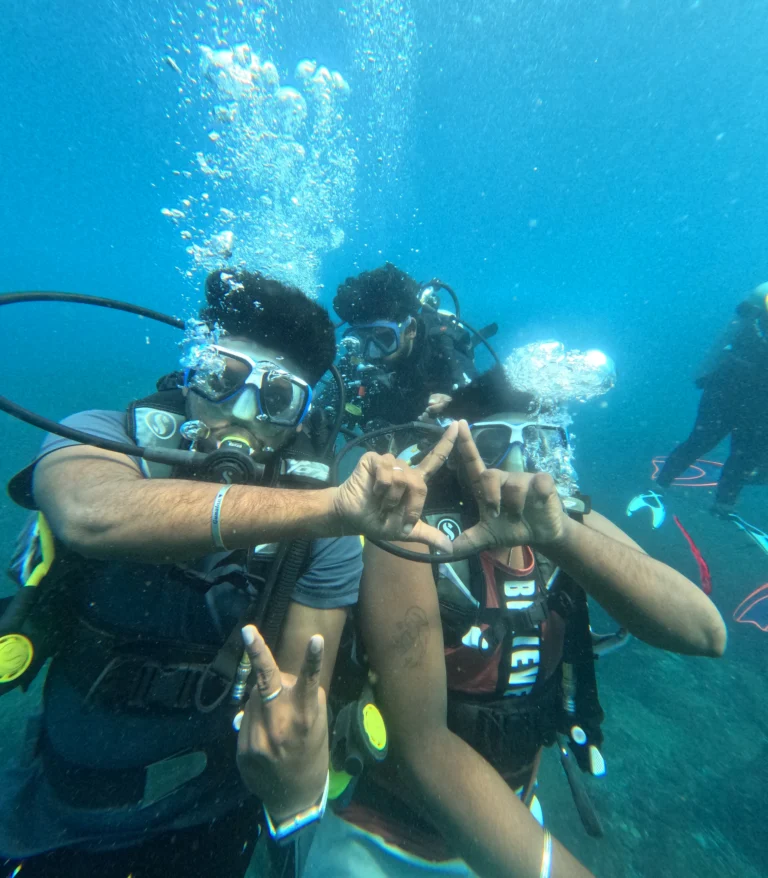
A well-run scuba day is predictable. You report at the meeting point, complete a basic briefing, and then board the boat. On the boat, the team explains safety rules, shows you the equipment, and helps you with the right fit for mask and fins. Once you reach the dive area, you will do a short practice and then the guided dive.
Calm breathing and following instructions matter, but they do not replace the programme's water-comfort, health and skills requirements. A responsible instructor should stop or postpone the dive if you cannot complete the required skills or conditions are unsuitable.
Underwater photos and videos: set expectations
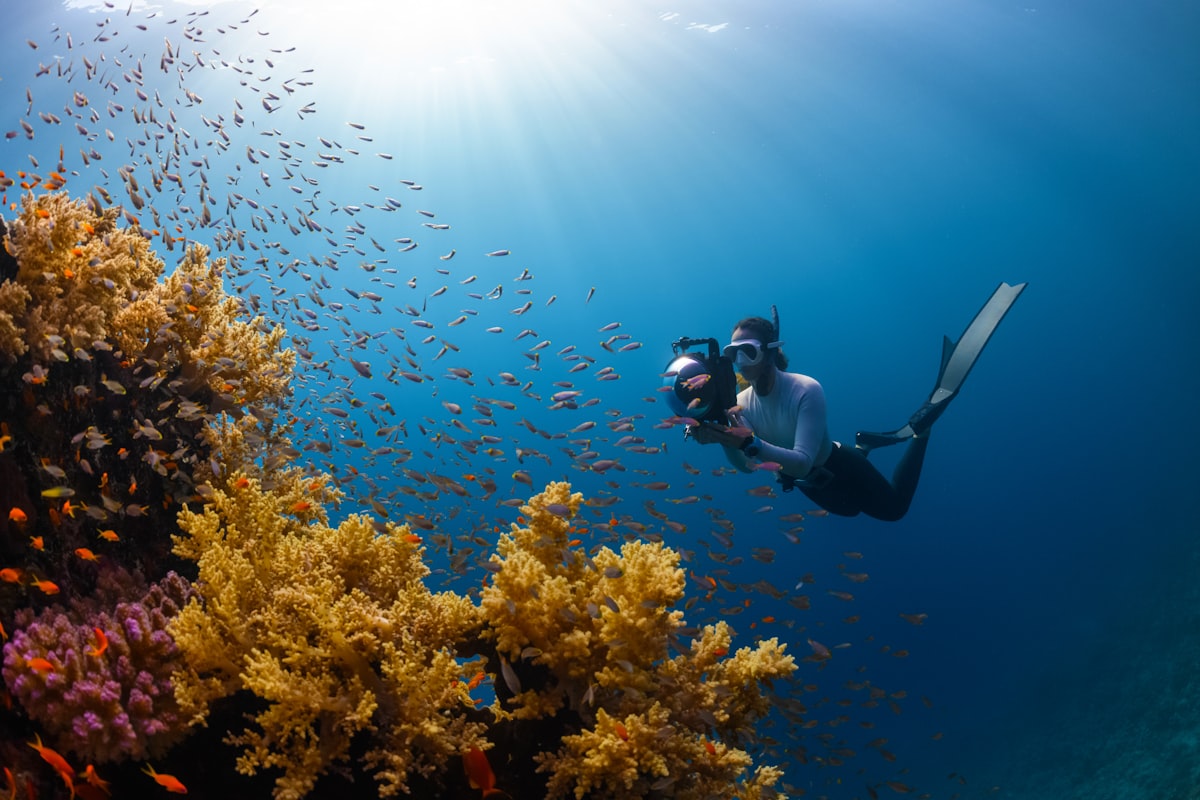
Photos and videos are one of the main reasons people book Netrani scuba. It is a special experience, and you want memories. However, this is also where expectations can mismatch. Some packages include a standard set of photos and a short video clip. Other packages include longer coverage or better angles. Quality also depends on water clarity and sunlight on that day.
When you book, confirm these points: how many photos you receive, whether there is a separate photographer or shared coverage, and how delivery works (same day or later). If your priority is media, choose a package designed for that goal. It is the simplest way to avoid disappointment.
How to compare Murudeshwar scuba diving packages (without confusion)
The keyword “packages” is popular because people want a single number. But packages are not equal unless inclusions are equal. Two listings can show the same price while delivering a very different experience. Use a comparison checklist:
- Boat transfer: Confirm it is included and whether timings depend on sea conditions.
- Instructor support: Beginners should have close supervision. Ask how the team manages first-timers.
- Dive time: Underwater time varies by conditions and your comfort. Avoid rigid promises and focus on “guided, safe dive”.
- Photos/videos: Confirm deliverables and delivery method.
- Reporting time: Early morning reporting is common. Plan your stay and taxi accordingly.
- Safety: Ask about equipment checks and emergency readiness.
For a detailed packages breakdown, read Netrani scuba package comparison. If you are planning a full trip, our bundle guide is stay + taxi + scuba complete package.
What you will see under water (realistic expectations)
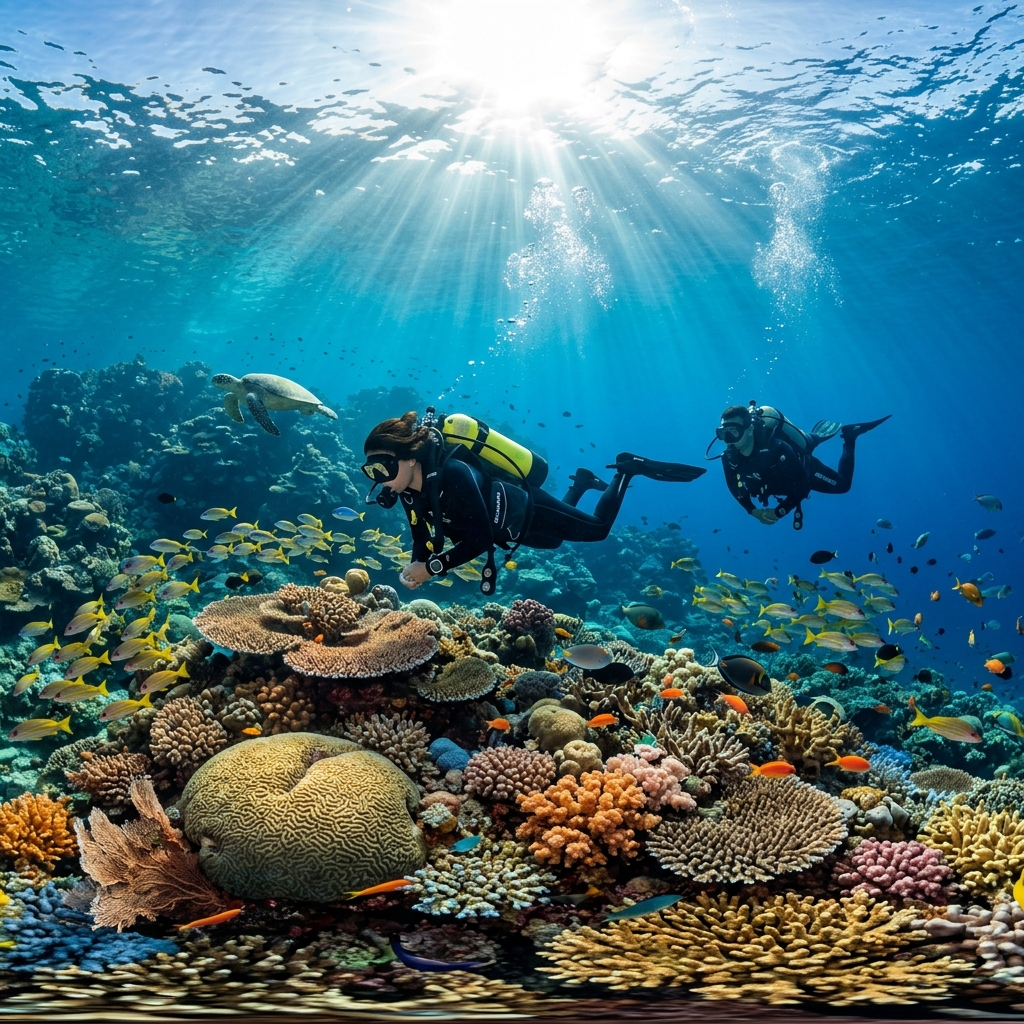
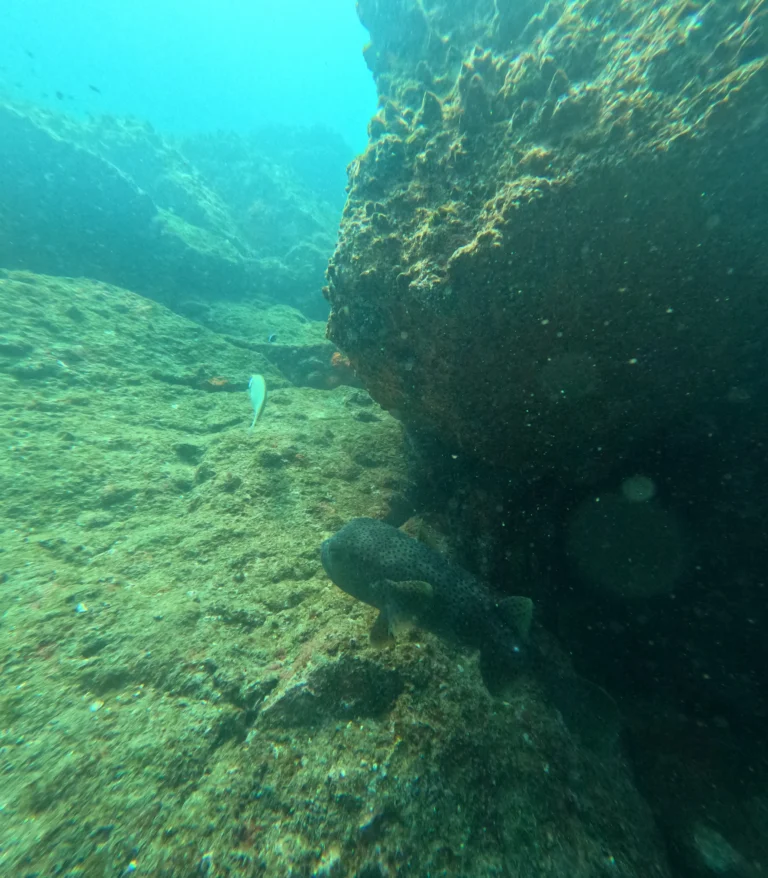
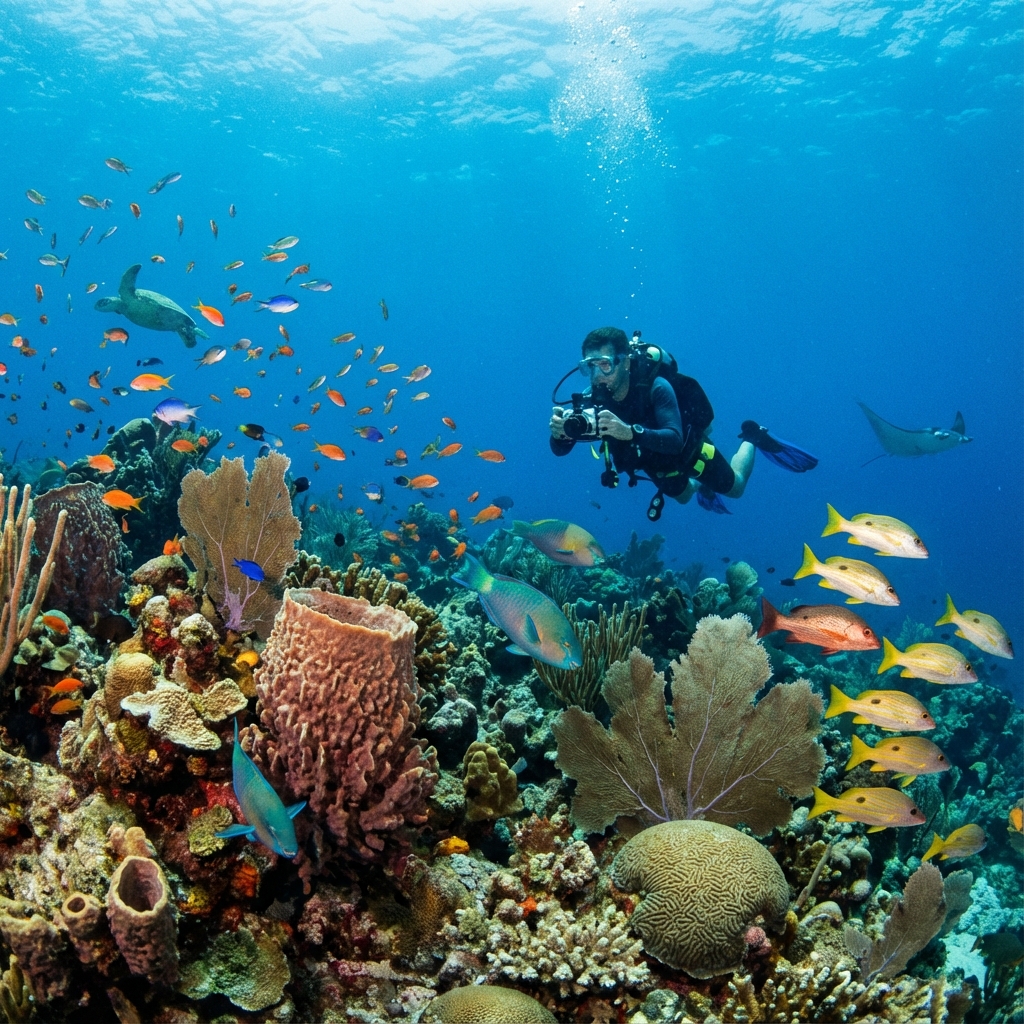
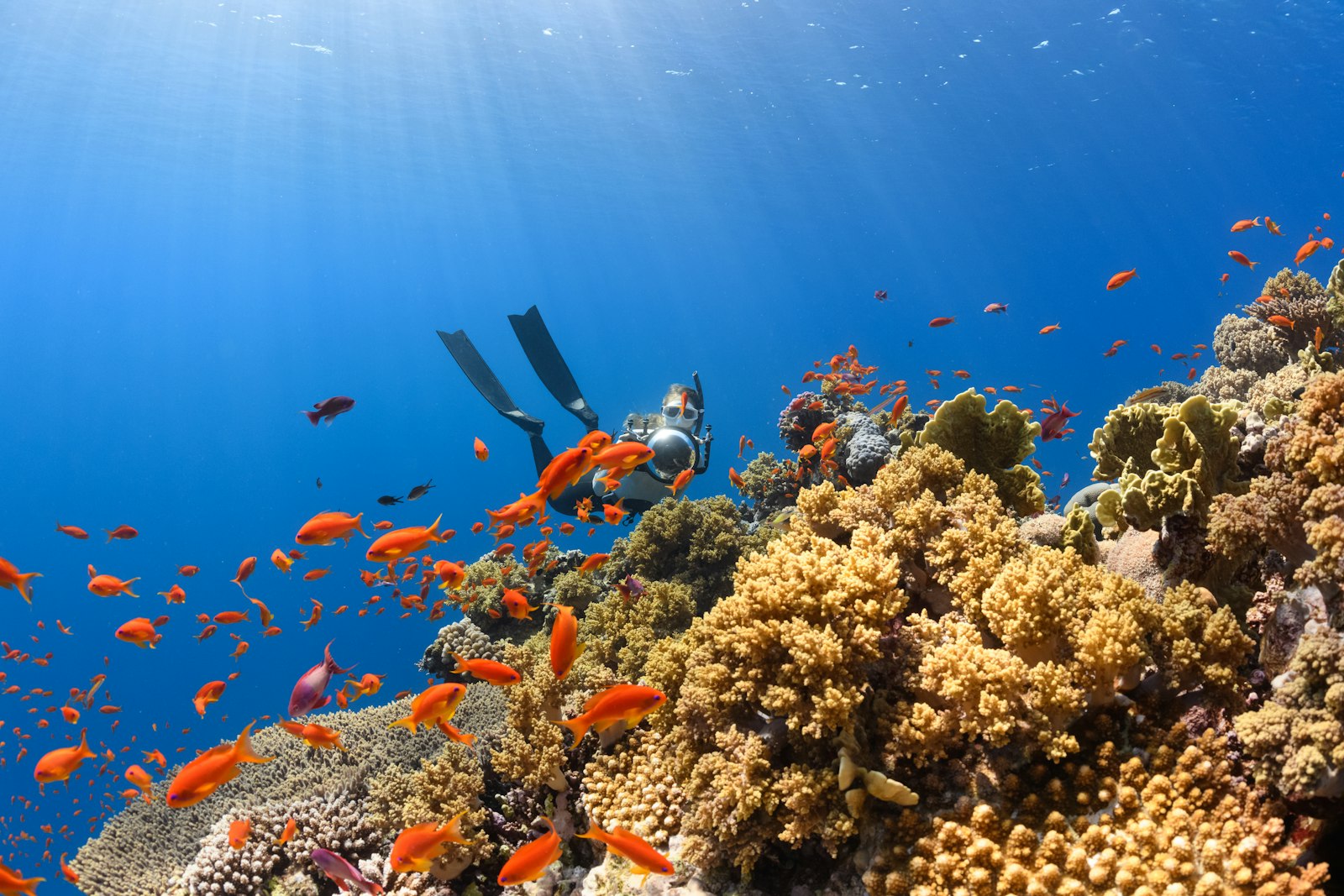
Most first-timers expect a “movie scene” instantly. In reality, your underwater view depends on visibility and sunlight on the day. On a good day at Netrani, you can see coral patches, small reef fish, and larger schools passing through. On an average day, you still get a beautiful experience, but the visibility can be lower and colours look softer.
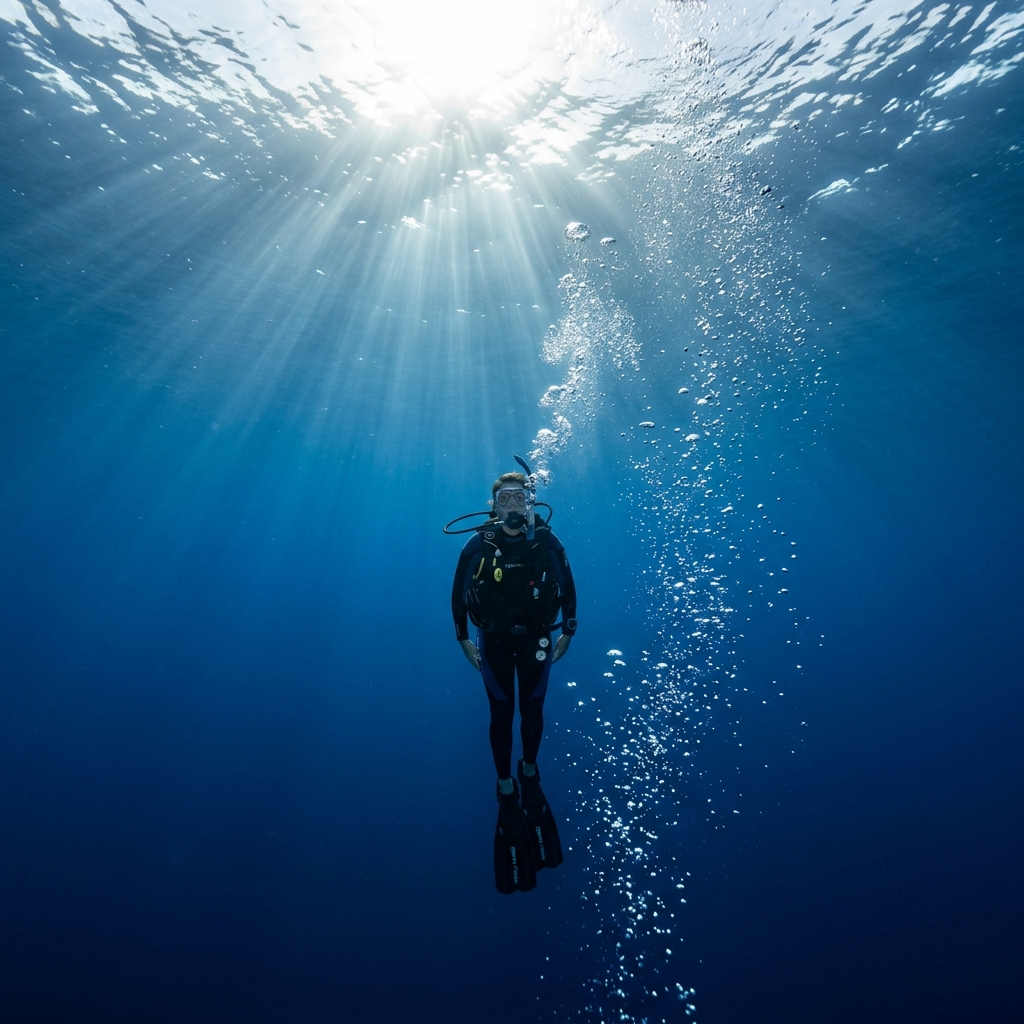
For beginners, the goal is not to chase rare sightings. The goal is to enjoy the feeling of weightlessness, the calm breathing rhythm, and a safe guided exploration. If you treat the first dive as a foundation, you enjoy it more. And if you later decide to do a certification course, your first experience will give you a better idea of what scuba is actually like.
How scuba equipment works (simple explanation for beginners)
Many travellers feel nervous because the equipment looks technical. The good news is: you do not need to memorise anything. You only need to understand what each part does, so you feel confident when the instructor explains it.
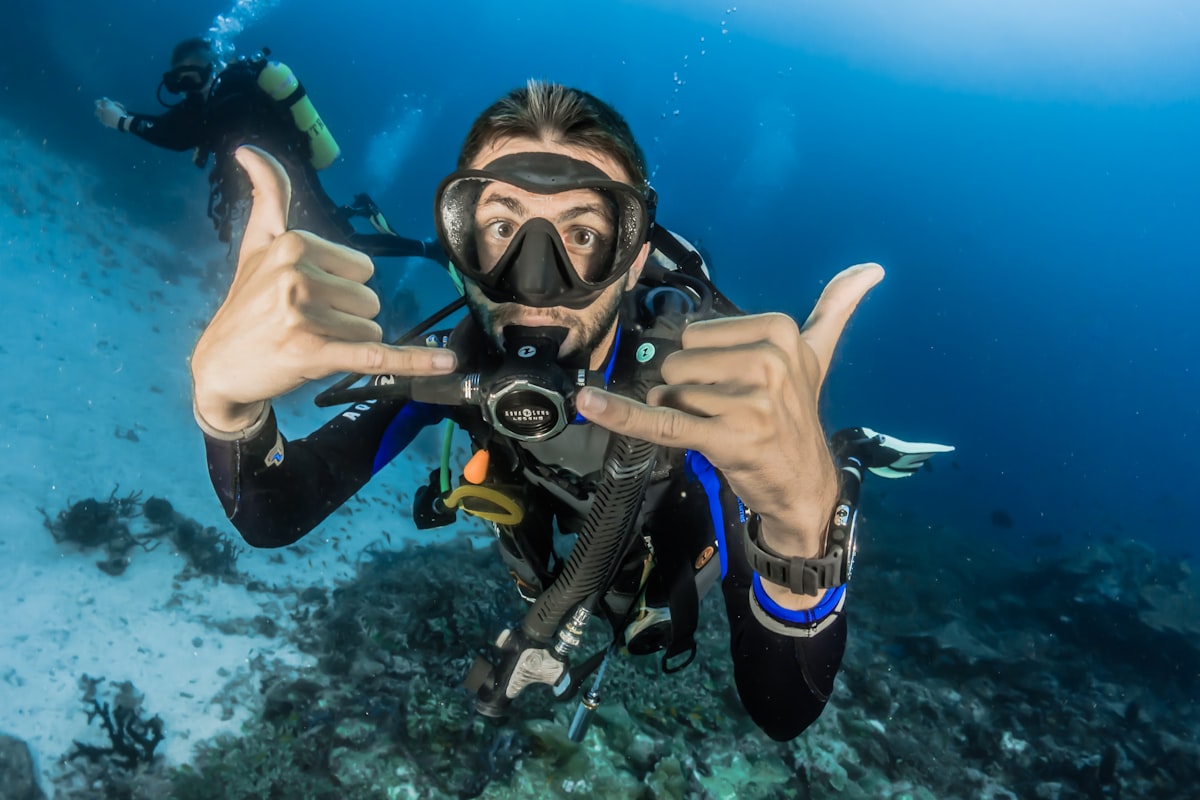
- Mask: Helps you see clearly under water. If water enters, the instructor teaches a simple clearing technique.
- Regulator: The mouthpiece you breathe through. You breathe normally, just a bit slower.
- BCD (buoyancy control device): Helps you float on the surface and maintain comfort under water.
- Tank: Holds compressed air. The team must monitor pressure and time, and you must follow the briefing and signal any problem immediately.
- Fins: Help you move with less effort. For beginners, slow fin kicks are enough.
- Wetsuit (seasonal): Helps with comfort and reduces heat loss in water.
If you are worried about breathing, remember this: the instructor controls the pace. The first few minutes are only about getting comfortable. Once you settle, scuba becomes surprisingly calming because your focus goes to breath and movement.
Safety signals and what instructors look for
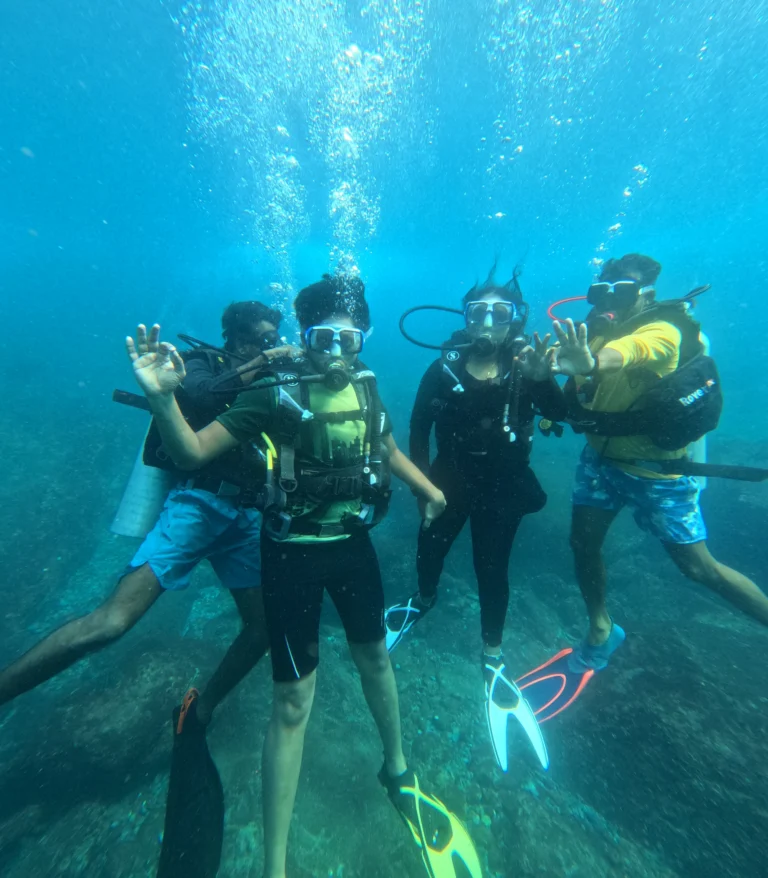
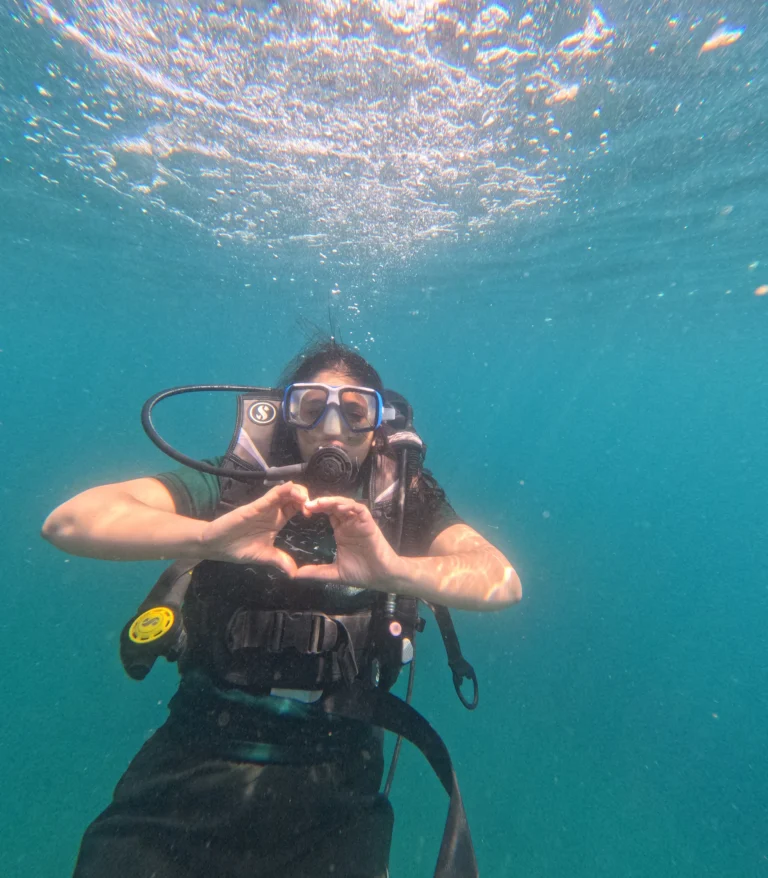
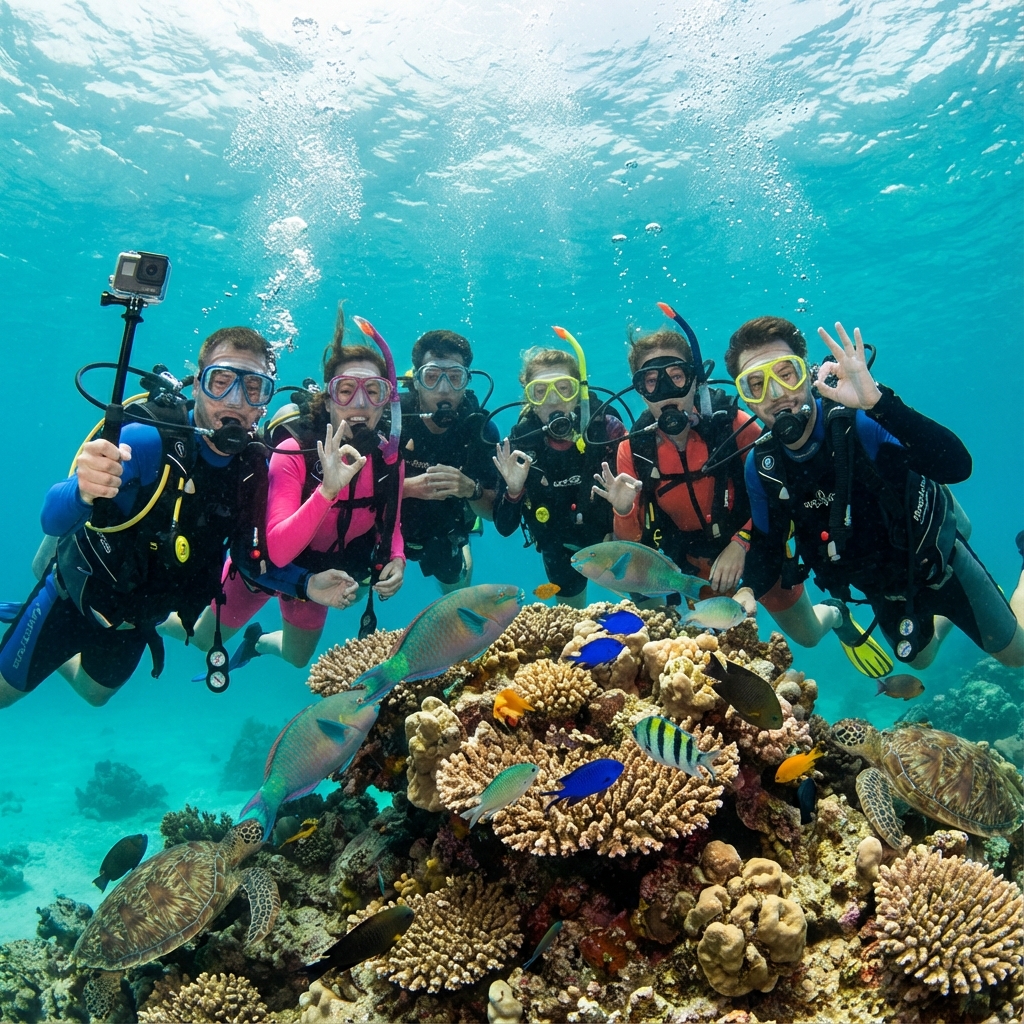
Before your dive, you learn a few simple hand signals. You do not need a long list. For a first dive, these are the important ones: “OK”, “not OK”, “up”, “down”, and “ear problem”. Instructors also watch your breathing rhythm and comfort level. If you are tense, they slow down. If you are comfortable, they continue.
The biggest beginner issue is ear pressure. That is normal. You will be guided to equalise (release ear pressure) slowly. A responsible operator never forces depth. The descent should stop if you cannot equalise or feel pain; do not push through it.
Who should not scuba dive (common restrictions)
Scuba is an adventure activity with medical and environmental risks. Complete the operator's recognised medical questionnaire honestly. Depending on your answers—including conditions, symptoms, pregnancy, surgery or medication—you may need written clearance from a physician familiar with diving medicine. A cold, congestion or ear problem can also make participation unsuitable.
This page is not medical advice, and booking support cannot declare you fit to dive. Be transparent with the dive professional and consult an appropriately qualified doctor when the questionnaire or your health history requires it.
Scuba and flights: how to plan if you are travelling
Do not fly immediately after scuba diving. PADI's published guidance cites at least 12 hours after a single no-decompression dive, at least 18 hours after multiple dives or multiple diving days, and longer when your dive computer or dive professional requires it. Many travellers choose a 24-hour buffer. Confirm the rule that applies to your actual dive profile before finalising a flight.
If you are doing a longer coastal trip with multiple destinations, a weekend plan with a buffer day is more comfortable than a tight one-day plan. If you are visiting from Bangalore, this is another reason a weekend itinerary works better.
What if weather cancels the trip?
Weather and sea conditions are part of coastal activities. A cancellation can feel disappointing, but it is also a sign that the operator is not taking unnecessary risks. If conditions are not safe, the right choice is to reschedule or switch to an alternative plan in Murudeshwar for that day.
If scuba is your main reason for travel, choose a commonly workable season and keep a buffer day if possible. For a fuller planning view, the cluster guide Netrani dive-site guide covers season advice and backup planning in more detail.
Go straight to the answer you need
If you came here to confirm price: go to the price section and message us for today’s inclusions. If you came here to check safety for non-swimmers: go to the non-swimmers section and read the detailed guide. If you came here to plan a weekend: go to the trip plan section and choose the right stay location.
If you are ready to book, use the booking CTA. We confirm slots, share the meeting point, and guide you with a clear plan for your scuba day.